
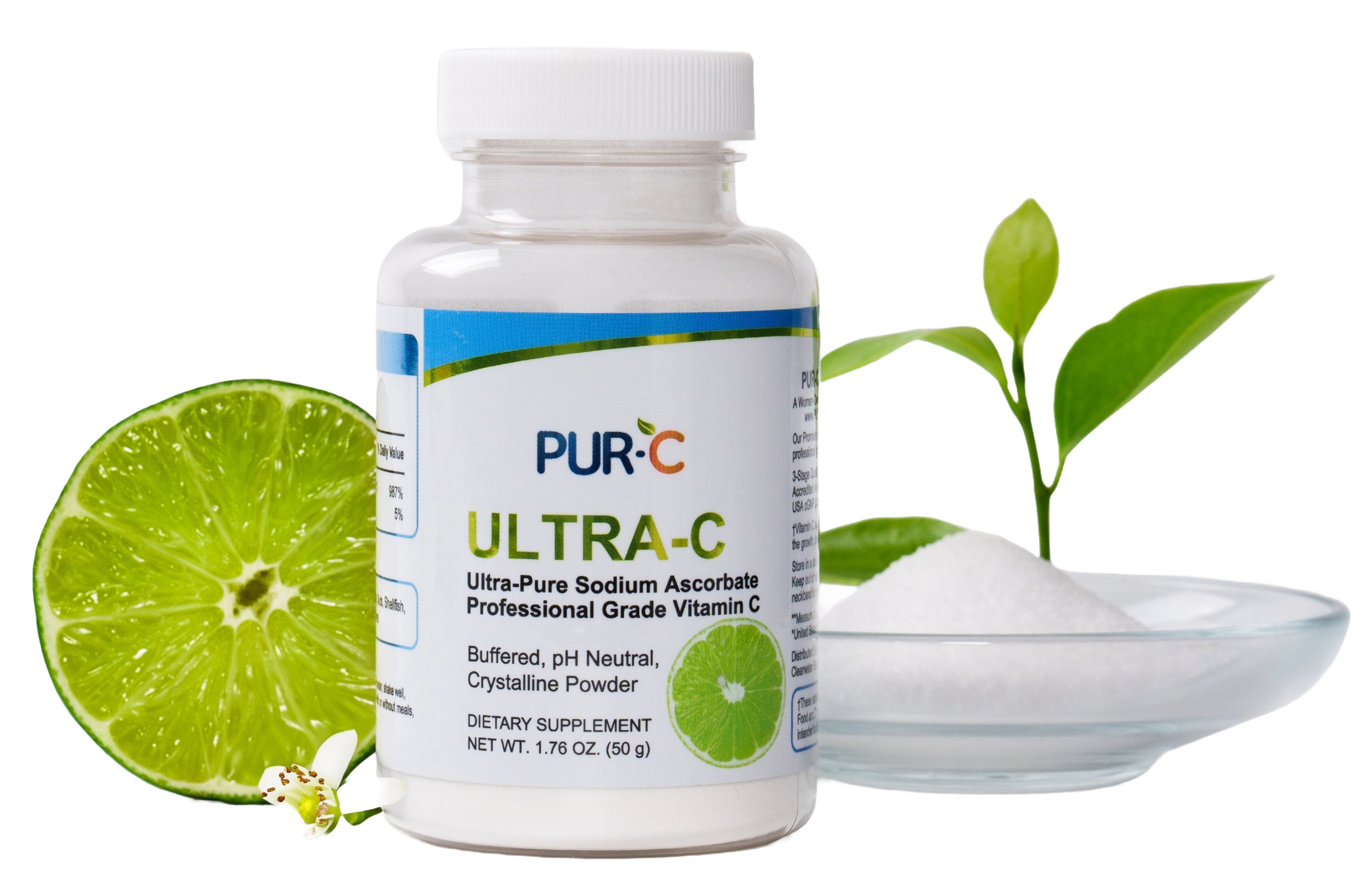
Sodium Ascorbate vs Ascorbic Acid

Why Is Sodium Ascorbate More Effective Than Ascorbic Acid?

When comparing forms of Vitamin C, Sodium Ascorbate offers distinct advantages over Ascorbic Acid, particularly in terms of bioavailability, absorption, and tolerability. These properties make it the preferred choice for both clinical and therapeutic applications, delivering benefits to both intracellular and extracellular environments.

Sodium Ascorbate’s sodium ion (Na+) enhances its bioavailability, allowing it to be effectively absorbed and transported into cells via sodium-dependent Vitamin C transporters (SVCTs).

  • Intracellular Delivery: Sodium Ascorbate excels at delivering Vitamin C to the intracellular space, where it supports critical functions such as redox modulation, enzymatic reactions, and immune regulation. Efficient cellular uptake ensures that therapeutic concentrations are achieved where they are needed most.
  • Extracellular Distribution: Sodium Ascorbate also contributes to maintaining Vitamin C levels in the extracellular fluid, where it acts as a potent antioxidant, scavenging free radicals and mitigating oxidative damage caused by metabolic stress or inflammation. This dual action supports systemic homeostasis and protects tissues from external insults.

The sodium ion in Sodium Ascorbate enhances its solubility and stability, making it more readily absorbed by the gastrointestinal tract and bloodstream compared to Ascorbic Acid.

  • Consistent Plasma Levels: Sodium Ascorbate sustains both intracellular and extracellular Vitamin C levels, ensuring continuous support for physiological and therapeutic processes.
  • Reduced Competition: Unlike Ascorbic Acid, which competes with glucose for transport mechanisms, Sodium Ascorbate benefits from its sodium-coupled transporters, ensuring efficient uptake even in conditions like hyperglycemia.

Ascorbic Acid’s acidic nature can cause significant irritation to the gastrointestinal lining and other tissues, particularly at high doses. Sodium Ascorbate’s buffered composition addresses this limitation:

  • Gentle on Tissues: Sodium Ascorbate, with its neutral pH, significantly reduces the potential for irritation across a range of applications. Whether administered orally, applied to mucosal surfaces, or used in topical formulations, its buffered composition ensures greater tolerability by maintaining physiological pH balance. This makes it particularly suitable for patients with sensitivities or conditions requiring gentler therapeutic interventions
  • Superior Tolerability for Elevated Dosing: Sodium Ascorbate’s buffered, neutral pH enhances its tolerability, allowing for higher doses across diverse routes of administration without the common side effects associated with Ascorbic Acid, such as gastrointestinal discomfort, cramping, or irritation. This improved profile makes it particularly advantageous in settings requiring elevated dosages for therapeutic efficacy, ensuring patient comfort and compliance.

Sodium Ascorbate’s ability to maintain Vitamin C levels in both the intracellular and extracellular spaces amplifies its therapeutic potential:

  • Intracellular Benefits: Supports cellular antioxidant defenses, enzymatic functions, and immune responses critical to combating infections, inflammation, and oxidative stress.
  • Extracellular Benefits: Neutralizes reactive oxygen species (ROS) in the extracellular environment, protects connective tissues, and modulates systemic inflammation.

Sodium Ascorbate’s comprehensive effectiveness makes it the ideal choice for addressing conditions that demand both localized and systemic Vitamin C availability, such as:

  • Chronic and Acute Conditions: Reducing oxidative stress, enhancing immune function, and supporting recovery from infections, inflammation, or surgery.
  • Pharmacological Interventions: Providing the precise dosing, bioavailability, and tolerability required for high-dose Vitamin C therapies.
  • Improved Patient Compliance: With its enhanced tolerability and ability to sustain Vitamin C levels in both intracellular and extracellular compartments, Sodium Ascorbate ensures adherence to treatment protocols without discomfort or adverse effects.

Sodium Ascorbate’s dual ability to optimize intracellular uptake and maintain extracellular levels sets it apart as the superior form of Vitamin C for both clinical and therapeutic use. Its enhanced bioavailability, absorption, and tolerability provide the scalability and precision required for pharmacological applications, ensuring unparalleled effectiveness in addressing a wide range of health challenges.

Subscribe to Our Newsletter

Be the First to get Updates about Promotions and Blogs