
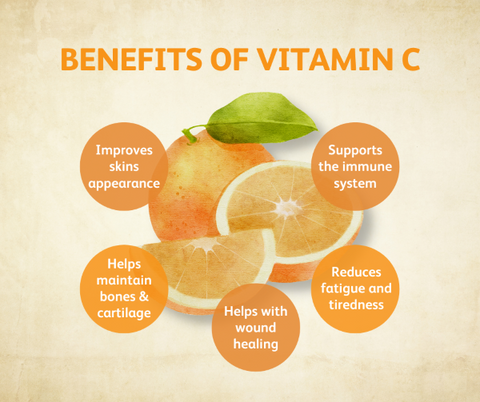
Vitamin C (ascorbic acid/ascorbate) is an essential, water-soluble micronutrient that participates in more than 150 enzymatic and regulatory processes across immune function, connective-tissue integrity, vascular biology, neurotransmitter synthesis, mitochondrial energetics, and redox homeostasis. Humans—unlike most mammals—cannot synthesize Vitamin C due to the absence of L-gulonolactone oxidase, making consistent dietary intake necessary to meet dynamic physiologic demands, particularly during periods of infection, inflammation, oxidative burden, injury, or increased metabolic stress.
At the cellular level, Vitamin C’s clinical relevance is anchored in three foundational roles:
Vitamin C was first isolated in 1928 and structurally characterized in 1933. Its early medical significance was established through the prevention of scurvy, a deficiency state associated with impaired collagen synthesis, capillary fragility, poor wound repair, fatigue, and increased susceptibility to infection.
Mid-20th century clinicians—including Frederick Klenner, MD, and later Robert Cathcart, MD—helped expand clinical interest in Vitamin C’s broader physiologic effects, particularly in immune-intensive and inflammatory states. Contemporary research continues to evaluate Vitamin C across immune regulation, oxidative stress biology, endothelial function, and tissue resilience.
Vitamin C has been studied across multiple clinically relevant domains. Findings can vary by baseline nutritional status, severity of illness, route of administration, and study design; however, the mechanistic rationale consistently centers on immune physiology and redox balance.
Vitamin C has been investigated in the context of viral and bacterial illnesses—including Epstein–Barr virus, Herpes simplex virus, varicella-zoster virus (the virus associated with shingles), and respiratory infections, including COVID-19—primarily for its relationship to immune competence, inflammatory signaling, and oxidative burden. In severe systemic inflammatory states such as pneumonia, acute respiratory distress syndrome (ARDS), and sepsis, Vitamin C’s relevance to redox regulation and endothelial stability remains an active area of research.
Vitamin C is not a conventional antimicrobial agent; rather, research has focused on how it may influence the host terrain by supporting immune cell function, epithelial barrier integrity, and oxidative balance. Studies have also explored Vitamin C in fungal contexts (including Candida species) and select parasitic settings, largely through host-response pathways rather than direct pathogen eradication.
Vitamin C’s relevance to oncology is being evaluated in two primary directions:
Because cancer care is highly individualized—and outcomes depend on diagnosis, staging, treatment type, timing, and comorbidities—Vitamin C is best discussed within a cautious clinical framework that avoids generalized claims.
Vitamin C supports antioxidant defense systems and contributes to cellular protection against reactive intermediates generated by normal metabolism and environmental exposures. Research has explored its relationship to oxidative injury associated with certain toxicants and heavy metals (e.g., lead, mercury, cadmium), primarily through mechanisms related to redox buffering and tissue resilience.
Vitamin C, also known as ascorbic acid or ascorbate, is a vital micronutrient integral to over 150 biochemical functions in the human body. Unlike most species, humans cannot synthesize Vitamin C due to the absence of the enzyme gulonolactone oxidase. As a water-soluble vitamin, it must be obtained through daily intake to meet constantly changing metabolic demands.
A Historical and Therapeutic Perspective
First isolated in 1928 and structurally identified in 1933, Vitamin C became historically significant for preventing scurvy—a life-threatening deficiency condition prevalent among sailors deprived of fresh produce during long voyages.
By the 1940s, Dr. Frederick Klenner, MD, pioneered the therapeutic use of high-dose Sodium Ascorbate, demonstrating its efficacy in various acute and chronic conditions. This approach was later expanded upon by Dr. Robert Cathcart, MD, who further refined its application across a broader spectrum of clinical scenarios. Since then, extensive research has demonstrated its role in:
Vitamin C is more than just a vital nutrient; it is a multifunctional cofactor that supports over 150 biochemical processes essential for human health. Its diverse roles extend across cellular repair, antioxidant defense, immune modulation, and metabolic support, making it indispensable for both daily nutritional needs and therapeutic interventions.
From promoting collagen synthesis for tissue repair to enhancing iron absorption and supporting neurological health, Vitamin C’s pleiotropic functions underscore its critical contribution to systemic well-being. Below, we explore the key physiological benefits of this remarkable micronutrient.
Acting as a cofactor in a myriad of enzymatic reactions, Vitamin C supports critical physiological processes essential for cellular integrity, metabolic efficiency, and systemic health. Key roles include:
Vitamin C’s pleiotropic functions extend far beyond its role as a cofactor. It is central to:
Its unparalleled versatility makes Vitamin C indispensable for daily health and therapeutic interventions, offering clinicians powerful strategies to address acute and chronic conditions.
Vitamin C’s multifunctionality, spanning over 150 biological functions, highlights its critical importance in nutrition and medicine. Whether enhancing antioxidant defenses, promoting collagen synthesis, or supporting immune function, Vitamin C serves as a cornerstone of health and a valuable tool in optimizing patient outcomes.
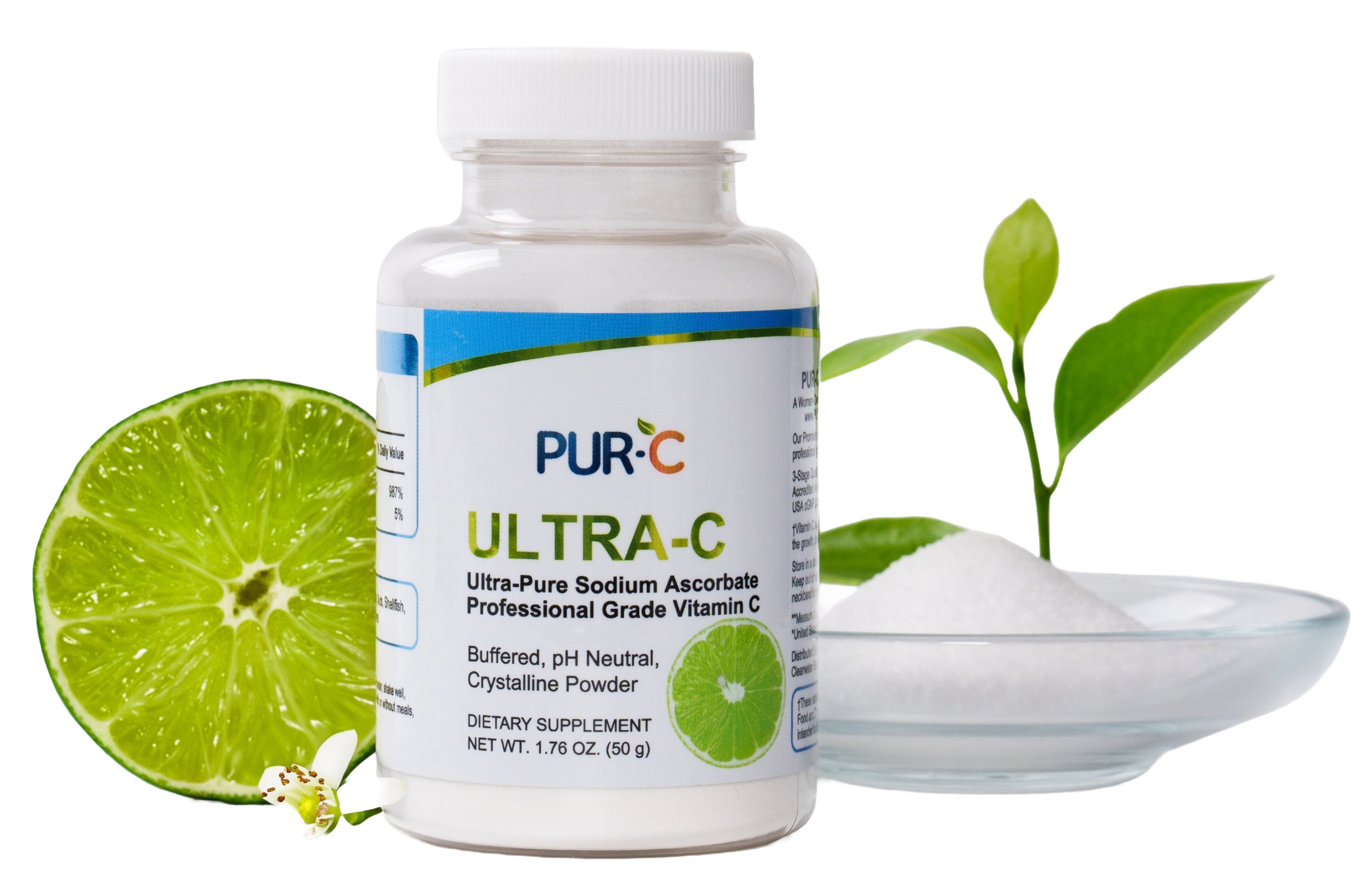
When comparing forms of Vitamin C, Sodium Ascorbate offers distinct advantages over Ascorbic Acid, particularly in terms of bioavailability, absorption, and tolerability. These properties make it the preferred choice for both clinical and therapeutic applications, delivering benefits to both intracellular and extracellular environments.
Sodium Ascorbate’s sodium ion (Na+) enhances its bioavailability, allowing it to be effectively absorbed and transported into cells via sodium-dependent Vitamin C transporters (SVCTs).
The sodium ion in Sodium Ascorbate enhances its solubility and stability, making it more readily absorbed by the gastrointestinal tract and bloodstream compared to Ascorbic Acid.
Ascorbic Acid’s acidic nature can cause significant irritation to the gastrointestinal lining and other tissues, particularly at high doses. Sodium Ascorbate’s buffered composition addresses this limitation:
Sodium Ascorbate’s ability to maintain Vitamin C levels in both the intracellular and extracellular spaces amplifies its therapeutic potential:
Sodium Ascorbate’s comprehensive effectiveness makes it the ideal choice for addressing conditions that demand both localized and systemic Vitamin C availability, such as:
Sodium Ascorbate’s dual ability to optimize intracellular uptake and maintain extracellular levels sets it apart as the superior form of Vitamin C for both clinical and therapeutic use. Its enhanced bioavailability, absorption, and tolerability provide the scalability and precision required for pharmacological applications, ensuring unparalleled effectiveness in addressing a wide range of health challenges.

Vitamin C is an essential water-soluble nutrient that humans must obtain through dietary sources, as we lack the enzyme gulonolactone oxidase required for endogenous synthesis. A diet rich in raw, organic, non-GMO fruits and vegetables—such as citrus fruits, berries, bell peppers, broccoli, and leafy greens—provides sufficient Vitamin C to prevent deficiency conditions like scurvy and support baseline physiological functions.
Whole foods offer additional health benefits, delivering phytonutrients, fiber, and bioactive compounds that contribute to overall wellness. However, these dietary sources meet only the body’s basic nutritional demands and cannot achieve the pharmacological concentrations required to address heightened metabolic needs during acute or chronic conditions.
Products derived from natural sources such as cassava, camu camu, beets, and tapioca are often marketed as “whole food” Vitamin C, implying superiority over synthesized forms. This claim is scientifically misleading.
While the ascorbate component of Vitamin C derived from whole food sources and synthesized forms is chemically identical—C6H8O6 (ascorbic acid)—Sodium Ascorbate (C6H7NaO6) differs structurally due to the inclusion of a sodium ion (Na+). This buffering agent reduces acidity, enhancing tolerability and minimizing tissue irritation associated with high doses of Ascorbic Acid.
Synthesized Sodium Ascorbate is specifically engineered to provide the most bioavailable and stable form of Vitamin C. It is optimized for absorption via sodium-dependent Vitamin C transporters (SVCTs), which are essential for efficient cellular uptake and intracellular delivery. These mechanisms are critical for achieving therapeutic effects in clinical applications.
In contrast, many “whole food” Vitamin C products are produced using processes like freeze-drying, which can degrade Vitamin C content and diminish potency. While these products may offer additional phytonutrients, they typically contain insufficient amounts of active Vitamin C to meet therapeutic demands, especially during periods of increased oxidative stress, infections, or chronic conditions.
Synthesized forms of medical-grade Vitamin C, such as Sodium Ascorbate, are indispensable for achieving the pharmacological levels required for therapeutic efficacy. Unlike dietary sources, which fulfill basic nutritional needs, pharmacological doses are specifically formulated to:
Synthesized forms offer unparalleled control over dosage, formulation, and delivery, ensuring optimal absorption and clinical efficacy. These attributes are critical for achieving therapeutic effects, including scavenging reactive oxygen species (ROS), promoting collagen synthesis, and supporting mitochondrial energy production.
While whole food Vitamin C has its place in maintaining baseline health, it cannot replace the precision and efficacy of synthesized, medical-grade Vitamin C for therapeutic purposes. The real value of Vitamin C lies not in its source but in its ability to meet the body’s specific demands at the required dose.
Synthesized forms provide the scalability, reliability, and potency needed for evidence-based medical applications, addressing conditions ranging from acute infections to chronic inflammation and cancer.
By distinguishing between nutritional and pharmacological applications, healthcare providers and patients can make evidence-based decisions aligned with their health objectives. While whole foods remain foundational for maintaining baseline health, synthesized medical-grade Vitamin C is the gold standard for therapeutic interventions, offering results that nutrition alone cannot achieve.
This content is provided for educational purposes only and is not intended to diagnose, treat, cure, or prevent any disease. It does not constitute medical advice. Please consult a qualified healthcare professional regarding individual medical conditions and treatment decisions.